Sanitary Diaphragm Valves

Sanitary diaphragm valves for sterile, clean-in-place and hygienic process lines.
Total 38 products
Sanitary Diaphragm Valve Multi-Port Type

Sanitary Diaphragm Valve Multi-Port Type is a diaphragm valve designed for hygienic process lines in pharmaceutical, food and beverage industries.…
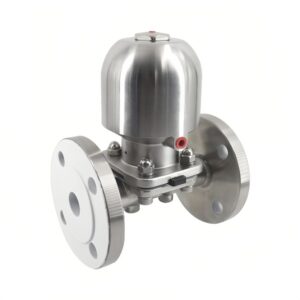
Sanitary Pneumatic Diaphragm Valve with Coated Body

Sanitary Pneumatic Diaphragm Valve with Coated Body is a diaphragm valve designed for hygienic process lines in pharmaceutical, food and…
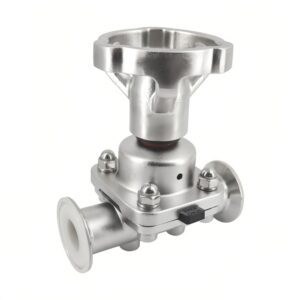
Manual Diaphragm Valve PTFE-Lined

Manual Diaphragm Valve PTFE-Lined is a diaphragm valve designed for hygienic process lines in pharmaceutical, food and beverage industries. It…
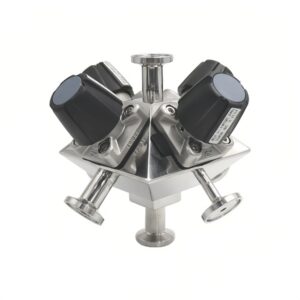
Sanitary Diaphragm Valve Compact Multi-Port Type

Sanitary Diaphragm Valve Compact Multi-Port Type is a diaphragm valve designed for hygienic process lines in pharmaceutical, food and beverage…
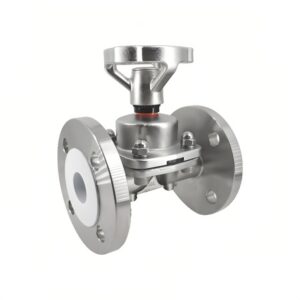
Sanitary Manual Diaphragm Valve with Flanged Ends and Coated Body

Sanitary Manual Diaphragm Valve with Flanged Ends and Coated Body is a diaphragm valve designed for hygienic process lines in…
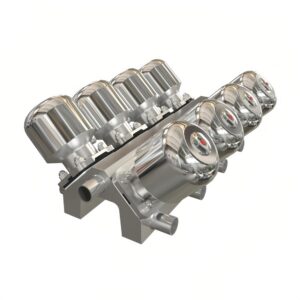
Sanitary Diaphragm Valve Custom Multi-Port Type

Sanitary Diaphragm Valve Custom Multi-Port Type is a diaphragm valve designed for hygienic process lines in pharmaceutical, food and beverage…
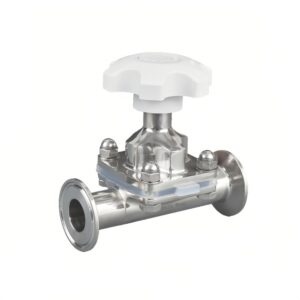
Sanitary Diaphragm Valve Straight-Through Standard Type

Sanitary Diaphragm Valve Straight-Through Standard Type is a diaphragm valve designed for hygienic process lines in pharmaceutical, food and beverage…
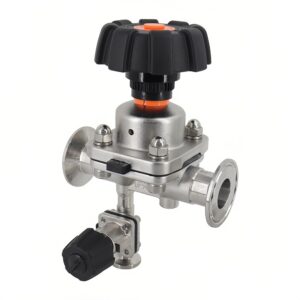
Sanitary Manual Diaphragm Valve

Sanitary Manual Diaphragm Valve is a diaphragm valve designed for hygienic process lines in pharmaceutical, food and beverage industries. It…
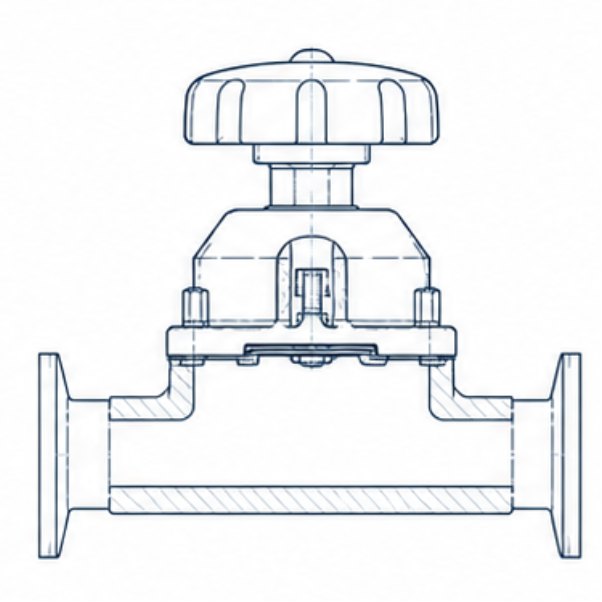
Product Overview

Two diaphragm valve structures for hygienic process lines.

Engineered for ultra-clean applications, J&A sanitary diaphragm valves are available in Weir Type and Straight Through / Full Bore configurations to meet diverse process and flow requirements with confidence.

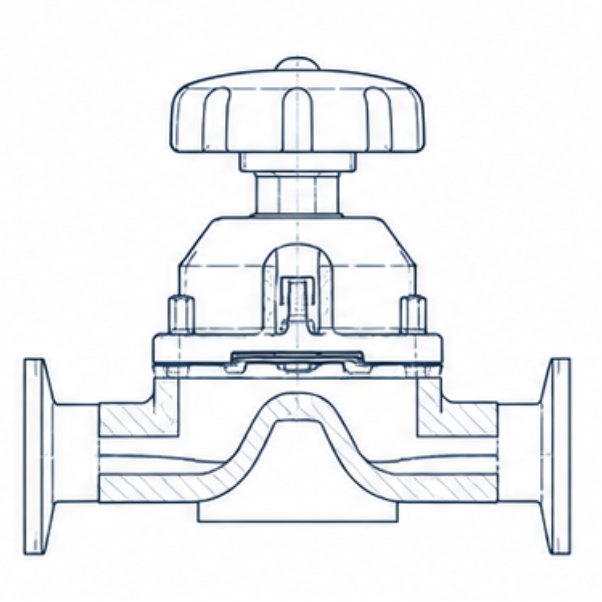
Weir Type structure diagram

Weir Type

Ideal for controlling flow and preventing product hold-up in hygienic process systems.

Straight Through / Full Bore structure diagram

Straight Through / Full Bore

Designed for unrestricted flow, minimal pressure drop, and gentle product transfer.

Configuration Options

Specify the valve around your process line.

From body structure to end connection and diaphragm material, each configuration can be matched to drawings, standards and clean process conditions.

Body Type

Weir type, straight through / full bore, tank bottom and multi-port options.

Connections

Clamp, weld, thread and flange connection choices for hygienic lines.

Operation

Manual handle, pneumatic actuator and control-ready configurations.

Material

304 / 316L stainless steel options for process and budget requirements.

Diaphragm

EPDM, PTFE/EPDM, FKM and PTFE/FKM for media compatibility.

Surface Finish

Controlled wetted-surface finish for clean process requirements.

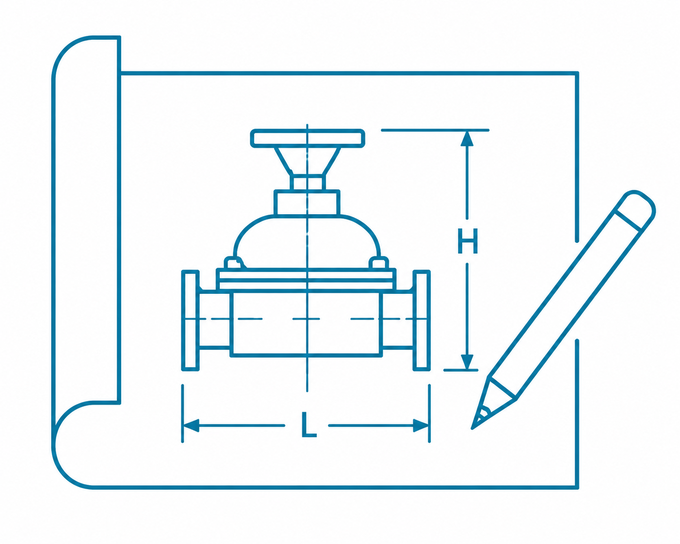
OEM custom drawing supported

OEM / custom drawings supported

Share your requirements or drawing. Our engineering team will support with the right solution.

Engineering support team icon Send Your Specification

Technical Data

Key specifications for sanitary process design.

Engineered for high-purity systems, our diaphragm valves deliver reliable performance, cleanability, and compliance in demanding process environments.

Download Catalog
Material 316L Stainless Steel (1.4404 / 1.4435)
Size Range 1/4" - 4" (DN8 - DN100)
Connection Tri-Clamp, Butt Weld, Thread, Flange
Diaphragm EPDM, EPDM+PTFE
Surface Finish Ra ≤ 0.5 µm (SF1) Standard
Ra ≤ 0.375 µm (SF4) Optional
Working Pressure 10 bar (145 psi) Standard
16 bar (232 psi) Optional
Temperature -10 °C to 130 °C (EPDM)
-10 °C to 150 °C (EPDM+PTFE)
Standards ASME BPE, 3-A, DIN, SMS, IDF, ISO

Applications

Built for clean process environments.

Engineered for reliability and purity, J&A diaphragm valves are trusted across critical clean process applications.

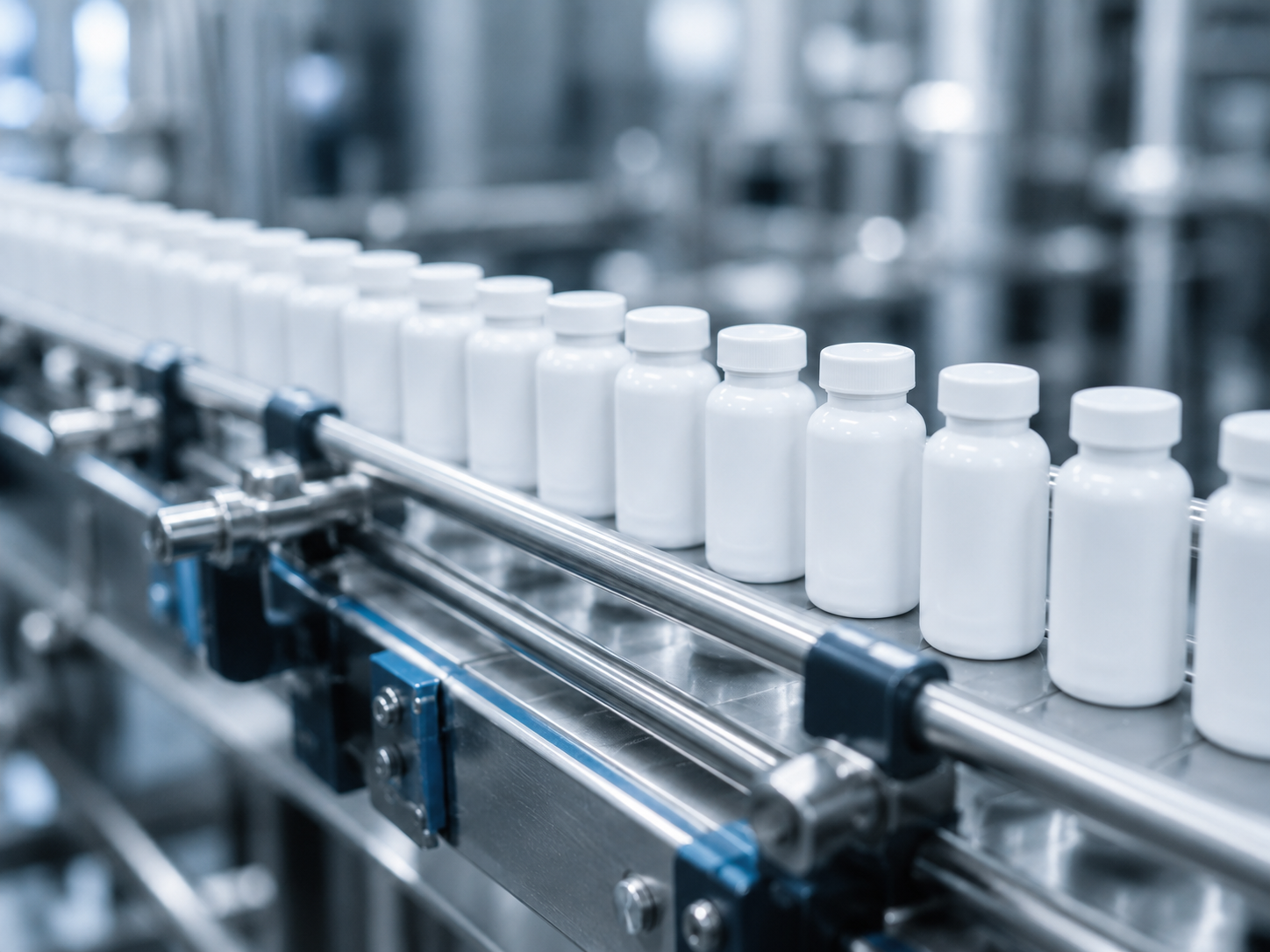
Pharmaceutical lines

Pharmaceutical lines

For sterile and high-purity production.

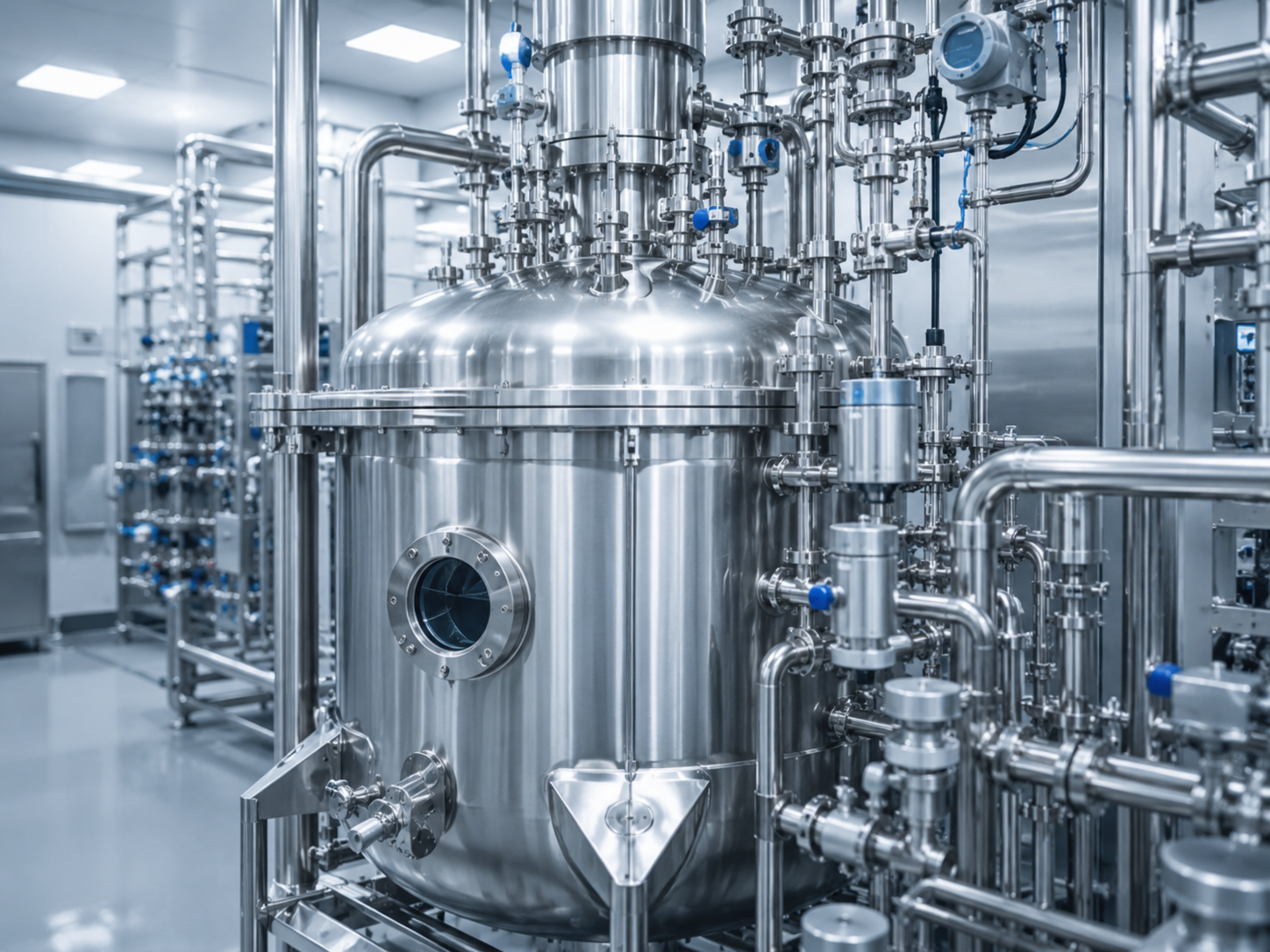
Biotech fermentation

Biotech fermentation

For precise, contamination-controlled processes.

Food & beverage

Food & beverage

For safe, consistent product flow.

CIP/SIP loops

CIP/SIP loops

For effective cleaning and sterilization.

Purified water systems

Purified water systems

For ultra-pure, reliable distribution.

Application Support

Need help matching the right valve?

Send process media, temperature, connection, cleaning method and drawing requirements. Our team will help review the best configuration.

Discuss Your Application

FAQ

Questions before selecting a diaphragm valve.

01 Why Choose a Sanitary Diaphragm Valve Instead of a Ball Valve or Globe Valve?

A sanitary diaphragm valve is often preferred over ball valves or globe valves in hygienic processing systems because it provides superior cleanability, drainage performance, and contamination control.

Unlike conventional ball valves and globe valves, which may contain internal cavities or dead legs where product residue can accumulate, sanitary diaphragm valves feature a streamlined flow path and a diaphragm isolation design that minimizes contamination risks.

The diaphragm separates the operating mechanism from the process fluid, preventing leakage from the valve stem area and improving system hygiene. This makes sanitary diaphragm valves particularly suitable for applications requiring strict cleaning validation, including pharmaceutical, biotechnology, food, beverage, and dairy processing systems.

In addition, diaphragm valves are widely used in CIP (Clean-in-Place) and SIP (Sterilize-in-Place) processes because they support effective cleaning, sterilization, and complete drainage.

02 How Long Does a Sanitary Diaphragm Valve Diaphragm Last?

The service life of a sanitary diaphragm valve diaphragm depends on several operating conditions, including the process medium, temperature, pressure, chemical compatibility, and valve operating frequency.

Under normal hygienic applications such as purified water, food, beverage, and pharmaceutical processes, a high-quality diaphragm can typically provide long-term reliable performance.

However, applications involving high-temperature steam sterilization, aggressive chemicals, abrasive media, or frequent cycling may reduce diaphragm lifespan.

Regular inspection is recommended to check for signs of wear, aging, deformation, cracking, or loss of elasticity. Selecting the correct diaphragm material, such as EPDM, PTFE/EPDM laminated diaphragm, or other elastomers, is essential for maximizing service life.

03 How Do You Maintain a Sanitary Diaphragm Valve?

Sanitary diaphragm valve maintenance is relatively simple due to its compact and hygienic design.

Routine maintenance mainly focuses on inspecting and replacing the diaphragm, which is the primary wear component. During scheduled maintenance, operators should check the diaphragm condition for cracks, swelling, hardening, deformation, or sealing damage.

The valve body, actuator, and connection points should also be inspected to ensure proper operation and prevent potential leakage.

For critical pharmaceutical and biotechnology applications, maintenance intervals should be established according to operating conditions, CIP/SIP cycles, and manufacturer recommendations to ensure reliable performance and maintain hygienic standards.

04 What Industries Use Sanitary Diaphragm Valves?

Sanitary diaphragm valves are widely used in industries where contamination control, product purity, and hygienic processing are critical.

Common applications include:

  • Pharmaceutical manufacturing
  • Biotechnology and life science processing
  • Vaccine and injectable production
  • Food and beverage processing
  • Dairy processing
  • Brewing and fermentation systems
  • Cosmetics manufacturing
  • Semiconductor ultrapure water systems

In these industries, sanitary diaphragm valves are commonly installed in process lines, sterile transfer systems, CIP/SIP systems, and high-purity fluid handling applications.

05 What Materials Are Used for Sanitary Diaphragm Valves?

Sanitary diaphragm valves are typically manufactured using corrosion-resistant materials and hygienic sealing materials to meet demanding process requirements.

The valve body is commonly made from:

  • 316L stainless steel - widely used for pharmaceutical, food, and biotechnology applications due to its corrosion resistance and excellent hygienic properties.
  • 316 stainless steel - suitable for general sanitary applications where extremely high corrosion resistance is not required.

Common diaphragm materials include:

  • EPDM - excellent resistance to hot water, steam, and CIP cleaning chemicals.
  • PTFE/EPDM composite diaphragm - provides superior chemical resistance and is widely used in pharmaceutical applications.
  • FKM (Viton) - suitable for applications requiring resistance to oils, fuels, and certain chemicals.

The correct material selection depends on the process medium, temperature, pressure, and sterilization requirements.

06 Can Sanitary Diaphragm Valves Be Used for CIP and SIP Systems?

Yes. Sanitary diaphragm valves are widely used in CIP (Clean-in-Place) and SIP (Sterilize-in-Place) systems because of their hygienic design and excellent cleanability.

The diaphragm isolation structure prevents process fluids from contacting the valve operating mechanism, reducing contamination risks and improving system reliability.

When properly selected with suitable materials and surface finishes, sanitary diaphragm valves can withstand repeated cleaning cycles, hot water circulation, and steam sterilization processes commonly used in pharmaceutical, biotechnology, and food production facilities.

07 What Is the Difference Between Weir-Type and Straight-Through Diaphragm Valves?

The main difference between weir-type and straight-through diaphragm valves is their internal flow path design and application purpose.

Weir-type diaphragm valves use a raised weir structure that supports the diaphragm during closing. They provide excellent sealing performance, accurate flow control, and are commonly used in pharmaceutical, biotechnology, and hygienic processing applications.

Straight-through diaphragm valves have a full bore flow path with minimal flow restriction. They are suitable for applications requiring low pressure drop, high flow capacity, and handling of fluids containing particles or higher viscosity materials.

The selection depends on the process requirements, including flow rate, drainage capability, pressure drop, and media characteristics.

08 How Do You Select the Right Diaphragm Material for Different Media?

Selecting the correct diaphragm material requires consideration of the process medium, operating temperature, chemical compatibility, pressure conditions, and sterilization requirements.

General guidelines include:

  • EPDM diaphragms are suitable for water-based fluids, hot water, steam sterilization, and many CIP cleaning solutions.
  • PTFE/EPDM diaphragms provide excellent chemical resistance and are commonly selected for pharmaceutical, chemical, and aggressive media applications.
  • FKM diaphragms are suitable for applications involving oils, hydrocarbons, and specific chemical environments.

For critical hygienic applications, diaphragm material selection should be verified according to the process conditions and compatibility requirements to ensure long service life and reliable sealing performance.

Inquiry Support

Need help selecting the right valve?

Send drawings, media, temperature, pressure and connection requirements. J&A will help verify a suitable sanitary diaphragm valve configuration.

Material certificates
Surface finish options
OEM marking
Scroll to Top

Quick Inquiry

Inquiry for: