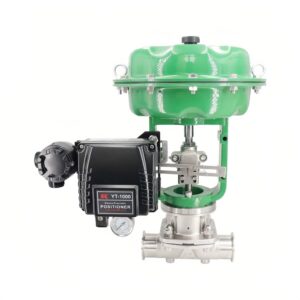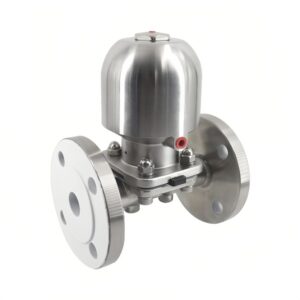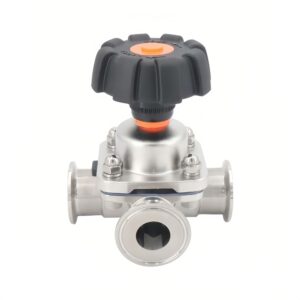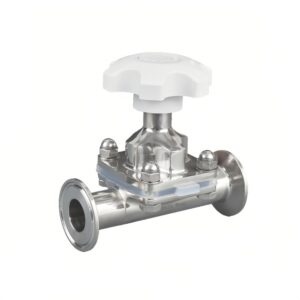
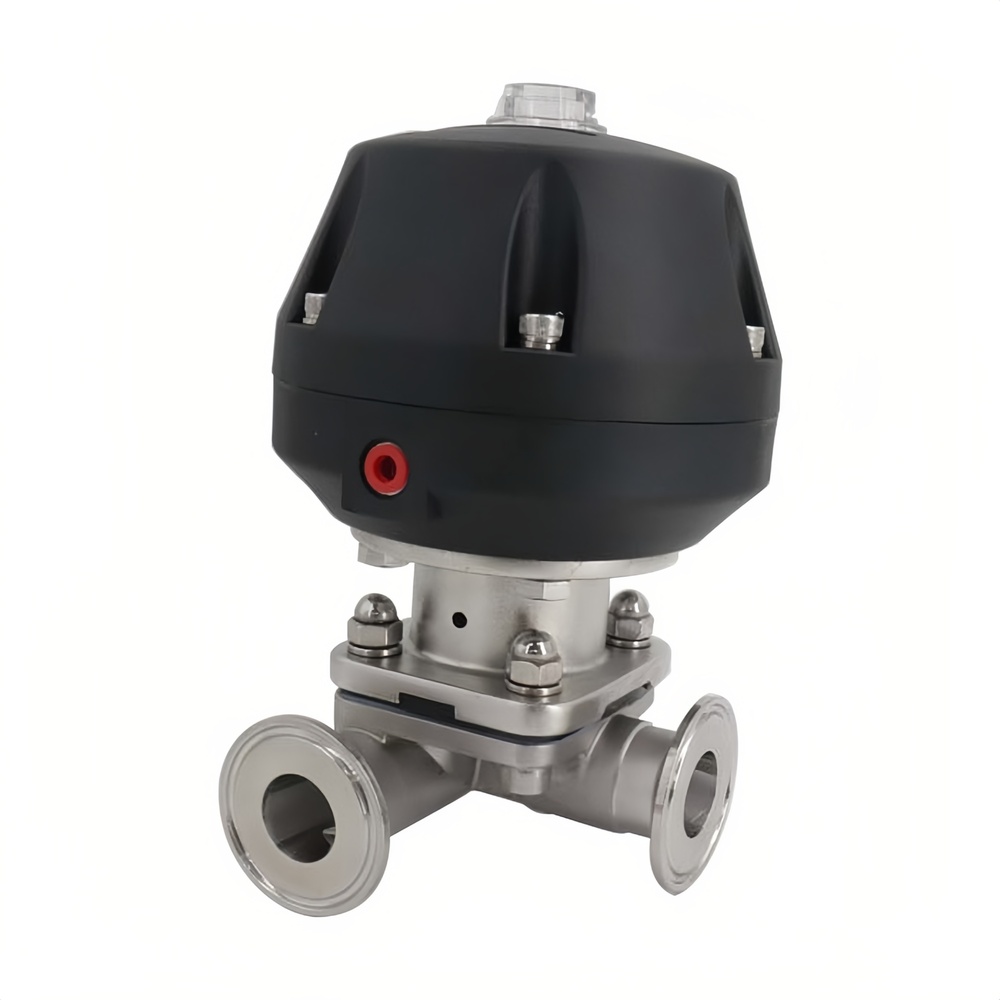
Sanitary Pneumatic Diaphragm Valve 3-Way Type B
Sanitary Pneumatic Diaphragm Valve 3-Way Type B is a diaphragm valve designed for hygienic process lines in pharmaceutical, food and beverage industries. It supports pneumatic operation for flexible system integration. Built for sanitary stainless steel piping systems, it helps buyers match reliable components for OEM equipment, plant upgrades and project-based sourcing. Commonly specified for sanitary pneumatic 3-way diaphragm valve and type b applications.
Contact Us for Pricing
Interested in this product? Contact us now for detailed pricing and product information.
Product Details
Sanitary Pneumatic Diaphragm Valve 3-Way Type B is a diaphragm valve designed for hygienic process lines in pharmaceutical, food and beverage industries. It supports pneumatic operation for flexible system integration. Built for sanitary stainless steel piping systems, it helps buyers match reliable components for OEM equipment, plant upgrades and project-based sourcing. Commonly specified for sanitary pneumatic 3-way diaphragm valve and type b applications.
What Is Sanitary Pneumatic Diaphragm Valve 3-Way Type B?
Sanitary Pneumatic Diaphragm Valve 3-Way Type B is a sanitary diaphragm valve variant for hygienic process lines where clean flow, reliable shut-off and maintainable product contact areas are required. It is selected when buyers need a valve that fits sanitary stainless steel piping and supports clean processing in regulated or quality-sensitive industries.
This variant differs from a standard two-way diaphragm valve because it supports directional flow routing, branch lines or multi-port process layouts. The diaphragm separates the operating mechanism from the process medium, which helps reduce contamination risk compared with valve types where more mechanical parts contact the product stream.
Suitable Applications
- Food, beverage and dairy process lines that require hygienic shut-off and clean product contact surfaces.
- Pharmaceutical, biotechnology and cosmetic production systems where diaphragm isolation and cleanability are important.
- CIP/SIP loops, purified water lines, clean utility systems and sanitary stainless steel process piping.
- OEM skids, filling lines, mixing systems, transfer lines and plant upgrade projects.
- Applications involving three-way flow routing.
Key Product Differences
| Product type | Sanitary Pneumatic Diaphragm Valve 3-Way Type B |
| Main difference | This variant differs from a standard two-way diaphragm valve because it supports directional flow routing, branch lines or multi-port process layouts. |
| Actuation impact | Pneumatic operation is best for automated production lines, frequent switching, remote operation and PLC-controlled hygienic process systems. |
| Connection fit | Standard sanitary ends should be matched to the buyer's piping standard, cleaning method and installation practice. |
| Typical buyer | OEM equipment builders, sanitary process contractors, food and beverage plants, pharmaceutical plants and distributors sourcing hygienic valve components. |
How Actuation Method Affects the Valve
Pneumatic operation is best for automated production lines, frequent switching, remote operation and PLC-controlled hygienic process systems. A pneumatic sanitary diaphragm valve can reduce operator handling and improve repeatability in CIP/SIP and batch processing workflows. For the same sanitary diaphragm valve body, changing the actuation method affects automation level, installation space, response speed, maintenance approach and control system integration.
Connection Options and Piping Compatibility
Standard sanitary ends should be matched to the buyer's piping standard, cleaning method and installation practice. Connection selection should always match the sanitary tube standard, plant maintenance practice, cleaning method and required documentation.
| Connection option | Best fit | Selection note |
|---|---|---|
| Clamp ends | Quick-disconnect sanitary lines, skids and equipment that needs frequent inspection. | Confirm tube OD and clamp standard. |
| Weld ends | Permanent hygienic piping with fewer external joints. | Confirm welding standard and surface finish. |
| Threaded ends | Compact sanitary utility lines or threaded process connections. | Confirm thread type and sealing method. |
| Flanged ends | Larger lines, bolted assemblies and projects requiring flange standards. | Confirm flange standard, pressure class and face type. |
Information Needed for Quotation
For faster quotation and more accurate selection, provide the operating conditions and piping details before ordering.
- Valve size or pipe size, such as DN, inch size or sanitary tube outside diameter.
- Required connection type, especially standard sanitary ends, plus the pipe or connection standard.
- Operation method: pneumatic operation, pneumatic on/off, control operation or another automation requirement.
- Body material and surface finish, such as 304 or 316L stainless steel and internal roughness requirement.
- Diaphragm material, such as EPDM, PTFE or another material compatible with the process medium.
- Working pressure, temperature range, process medium and cleaning or sterilization method.
- Quantity, destination country, documentation requirements and any project drawings or equipment photos.
FAQ
What is Sanitary Pneumatic Diaphragm Valve 3-Way Type B used for?
Sanitary Pneumatic Diaphragm Valve 3-Way Type B is used for hygienic shut-off, process isolation and clean liquid handling in sanitary process systems. It is commonly specified for food, beverage, dairy, pharmaceutical, biotechnology and clean utility piping.
How is this product different from a general diaphragm valve?
This variant differs from a standard two-way diaphragm valve because it supports directional flow routing, branch lines or multi-port process layouts.
How does the actuation method affect selection?
Pneumatic operation is best for automated production lines, frequent switching, remote operation and PLC-controlled hygienic process systems. A pneumatic sanitary diaphragm valve can reduce operator handling and improve repeatability in CIP/SIP and batch processing workflows.
Which connection type should I choose?
Standard sanitary ends should be matched to the buyer's piping standard, cleaning method and installation practice.
What information is needed for a quotation?
Provide valve size, connection standard, operation method, material, diaphragm material, pressure, temperature, medium, cleaning method, quantity and destination country.